

Colour-treated blonde hair care is a routine for keeping yellow warmth in check without neglecting dry ends. If you’re considering nak blonde shampoo in 2026, check whether your blonde looks yellow, orange or simply dull before choosing a wash; Zilion also lists NAK Hair Signature Structure Complex Protein Conditioner 1000ml for shoppers comparing conditioning options.
- NAK blonde shampoo is a choice for colour-treated blondes managing yellow brassiness; check the exact formula before buying.
- Purple shampoo addresses yellow warmth, not orange tones or dark regrowth.
- Zilion is best for NZ shoppers comparing listed NAK hair-care options alongside a practical blonde-care routine.
- Follow the shampoo label, assess your hair after rinsing, and condition dry lengths separately.
Why blonde care matters when brassiness appears
Lightened hair can reveal warm tones as its colour changes between appointments. Yellow and orange are different problems: purple pigment is used to counter yellow, while blue is the colour-wheel counterpart to orange. A shampoo chosen for the wrong tone can leave you disappointed even when you use it correctly.
Condition matters too. If your ends feel dry or rough, adding more pigment to every wash does not address that feeling. In 2026, make two decisions separately: what tone needs attention, and what care your hair needs after cleansing. That distinction makes a blonde routine easier to adjust than treating every change in colour as a reason to use more toning shampoo.
The product name alone does not tell you its pigment, directions or suitability for your hair. Check the current NAK blonde shampoo label before treating it as a purple shampoo. The right first move is to identify the unwanted tone, not to increase the amount of product.
How to use nak blonde shampoo in a blonde-care routine
Check the shade in daylight
Look at clean, dry hair in natural light before changing your routine. Yellow often shows most clearly through pale blonde lengths; orange reads warmer and deeper. If you see both, note where each appears instead of judging your whole head by the warmest section.
Compare the mids, ends and hair nearest the roots. A darker root is not brassiness that shampoo will lighten. Likewise, a blonde that looks flat but not noticeably warm does not automatically need more toning pigment. Take a photo under the same lighting each time you check your colour so the comparison is useful.
- Identify yellow, orange or mixed warmth before selecting a toning wash.
- Check the ends separately from the hair nearest your roots.
- Compare photos taken in the same natural light.
- Leave dark regrowth out of your shampoo decision.
Choose the wash for the tone you see
Read the NAK blonde shampoo label for its intended tone and directions. If it is a purple-pigment shampoo, match it to yellow warmth rather than expecting it to correct orange hair. For orange warmth, look for a product specifically intended for that tone or ask a colourist which correction suits your existing colour.
An everyday shampoo has a different job: cleansing without being your main tone-adjustment step. You can alternate it with a toning wash according to your hair’s condition and the product instructions. If you cannot confirm what pigment a named shampoo contains, do not rely on its name as your only buying guide.
- Read the pigment description and use directions on the current pack.
- Match purple pigment to yellow warmth, not orange warmth.
- Keep a regular shampoo for washes that do not need toning.
- Ask a colourist before trying to correct mixed or uneven tones.
Set a starting routine from the label
Start with the manufacturer’s directions rather than an online processing-time rule. Toners and pigmented shampoos differ, and porous ends can take up visible colour differently from less-processed hair. A short, careful first use gives you a result to assess before you change the routine.
Keep the first application straightforward: wet your hair, distribute the shampoo as directed, rinse as directed and look at the result once your hair is dry. Do not add another toning wash immediately because the colour looks different under bathroom lighting. Your dry-hair check is more useful than judging pigment while the hair is wet.
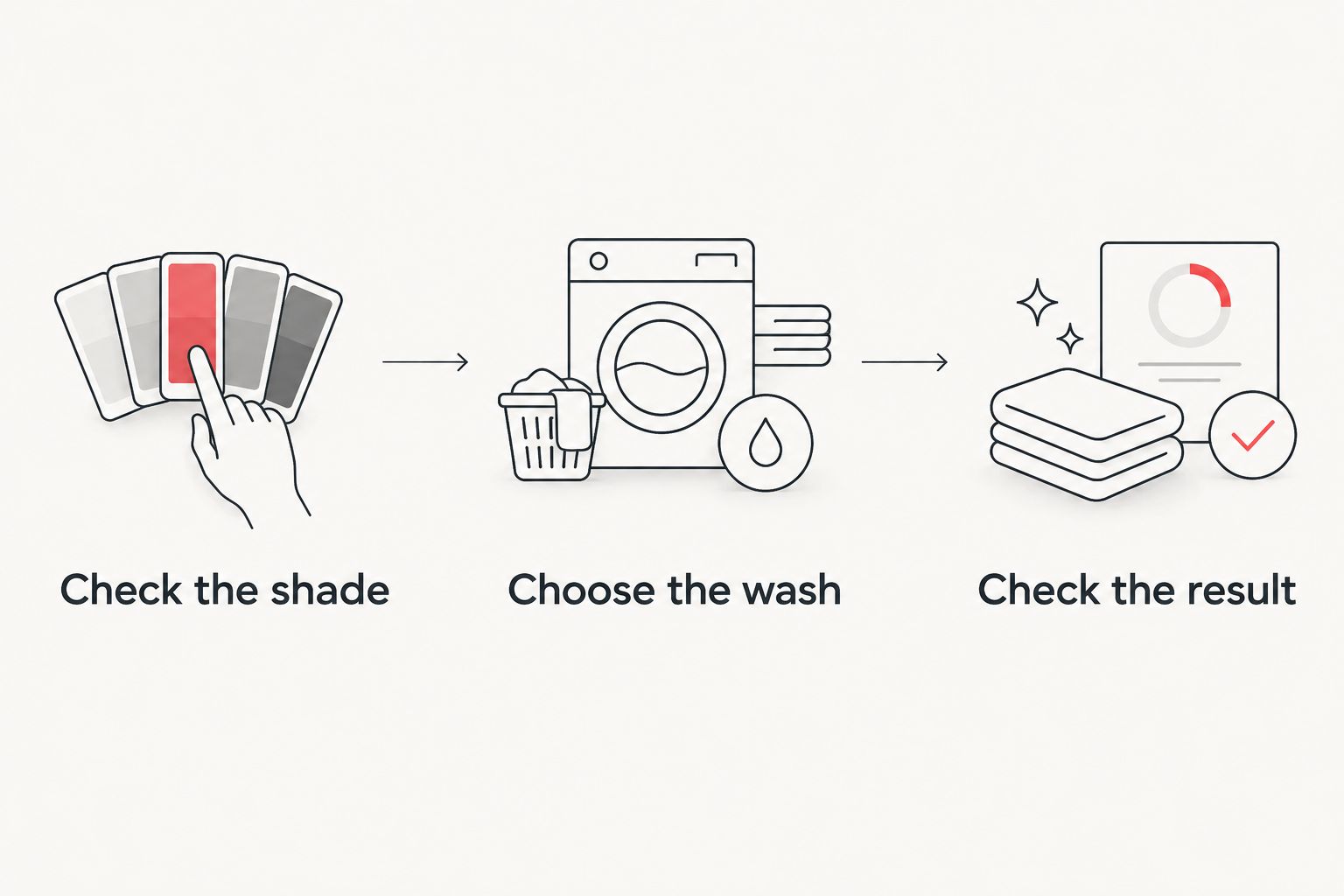
The decision path is simple: check the shade, choose the wash, then check the result. Use the same path whenever your blonde changes between appointments.
- Follow the timing and frequency stated on the product label.
- Distribute shampoo across the areas you intend to tone.
- Rinse according to the directions rather than extending the time by guesswork.
- Assess the colour after your hair is dry.
Condition the lengths after cleansing
Toning and conditioning solve different problems. If your colour looks better but the lengths feel rough, keep your tone decision separate from your conditioner decision. Focus conditioner where your hair needs it, following its directions, instead of using more toning shampoo to address a texture problem.
Zilion lists NAK Hair Signature Ultimate Treatment 1000ml as another NAK treatment option. Compare its current directions with your hair’s needs; its listing does not make it a substitute for a pigment product. Shoppers choosing between a conditioner and a treatment should check how each is intended to be used before adding both to the same wash.
- Feel the mids and ends after rinsing to assess dryness.
- Apply conditioner or treatment according to its own directions.
- Keep conditioning separate from your decision to tone again.
- Change one part of the routine at a time so you can judge the result.
Check the result before repeating
Once your hair is fully dry, compare its tone with the daylight photo you took before washing. If the yellow looks less noticeable, you have a useful reference for the next wash. If the shade looks unchanged, check that the product targets the tone you actually have before increasing how often you use it.
Pay attention to different sections. Ends that look cooler than the mids call for a more careful application next time, not a blanket increase across all your hair. If you see uneven colour that shampoo cannot address evenly, a professional colour assessment is the clearer next step.
- Compare dry hair in the same lighting as your starting photo.
- Check mids and ends separately for uneven tone.
- Review the product’s intended pigment before repeating a wash.
- Seek colour advice if your blonde remains patchy or mixed-toned.
Protect your blonde between washes
You do not need a toning wash whenever you wash your hair. Choose your everyday cleansing and conditioning steps around how your hair feels, then bring pigment back only when the shade calls for it and the product directions allow. This keeps the purpose of each step clear.
Think about what happened before the colour changed. Swimming, heat styling and a recent colour service create different care questions; none tells you on its own that more purple pigment is the answer. For a 2026 routine, record the wash and the visible result rather than following a fixed schedule copied from someone else’s hair.
- Use an everyday wash when your tone does not need correction.
- Keep a record of which wash preceded a visible colour change.
- Follow the care directions given after a professional colour service.
- Recheck your shade before returning to a toning shampoo.
Compare your options for brassy blonde hair
Choose by the problem you can see, not by the number of products you can fit into a routine. These options serve different purposes; none fixes every kind of warmth or damage.
| Option | Best for | What it does | Key limitation |
|---|---|---|---|
| NAK blonde shampoo, if its label confirms purple pigment | Blonde hair showing yellow warmth | Adds a tone-focused step while cleansing | Cannot lighten regrowth or correct orange simply because it is a blonde shampoo |
| Regular shampoo | Washes when you do not need added pigment | Cleanses hair as part of your usual routine | Does not provide a dedicated yellow-tone correction |
| Conditioner or hair treatment | Lengths that feel dry after washing | Addresses the conditioning step | Does not replace a product chosen to change visible tone |
| Professional colour assessment | Uneven colour or warmth that does not match your shampoo | Identifies a correction suited to the existing colour | Requires an appointment rather than a home wash |
Best for yellow warmth: a purple-pigment shampoo used according to its label. Best for uneven or orange tones: get the colour assessed before adding more purple shampoo. In 2026, that distinction is more useful than buying a product solely because its name includes blonde.
Common mistakes blonde shoppers make
Treating every warm tone as yellow
Orange and yellow do not call for the same pigment choice. Hold a section against a neutral background in daylight and name the tone you see before buying. If the warmth varies across your hair, do not assume one shampoo will produce an even result everywhere.
Leaving shampoo on longer without checking directions
More time is not a substitute for the right product. Follow the pack, rinse as directed and assess dry hair before your next use. If a product does not state what tone it targets, check that detail before experimenting with longer contact.
Using toning shampoo to solve dryness
Pigment affects the look of colour; it does not replace the conditioning step. If your blonde looks cooler but still feels rough, review your conditioner or treatment routine instead of adding another toning wash.
Expecting shampoo to lift dark roots
Shampoo will not turn darker regrowth into light blonde. Keep root lightening and maintenance decisions separate from the wash you use to manage yellow lengths. If you are unsure which areas have been lightened, ask your colourist before trying another correction at home.
Judging colour while hair is wet
Wet hair and indoor lighting make it harder to compare one wash with the next. Dry your hair, use consistent natural light and check the same sections each time. A repeatable check gives you a reason to change the routine—or to leave it alone.
FAQ
What is nak blonde shampoo best for?
NAK blonde shampoo is a choice to investigate when you want a blonde-focused wash. Check the current product label for its pigment and directions before using it to target yellow warmth.
Does purple shampoo fix orange hair?
Purple shampoo is used for yellow warmth, not as the direct colour-wheel match for orange. If your blonde looks orange or uneven, check the tone with a colourist before repeating purple washes.
Can NAK blonde shampoo lighten dark roots?
No, a blonde shampoo is not a substitute for lightening dark regrowth. Separate your root-colour decision from the shampoo you use on lightened lengths.
How often should I use a toning shampoo in 2026?
Use a toning shampoo according to its current label and the result you see in your own hair. Check dry hair between washes instead of copying someone else’s schedule.
Should I use conditioner after a blonde shampoo?
Use a conditioner or treatment when your hair needs that care, following the product’s directions. Toning and conditioning have different jobs, so judge the shade and the feel of your lengths separately.
Is a blonde shampoo better than a regular shampoo for every wash?
No, a blonde shampoo is useful when its pigment matches the unwanted tone you see. A regular shampoo remains an option for washes when you do not need to add toning pigment.
What if my blonde looks uneven after toning?
Stop increasing the toning routine and assess the uneven areas in daylight. A colourist can identify whether different sections need different correction.
One last thing
Your most useful check in 2026 happens after the wash, when your hair is dry and you can compare the same sections in daylight. If yellow has eased but the ends feel dry, keep the toning decision separate from your conditioning choice. Zilion is best used here as a place to compare listed NAK hair-care options; confirm the current shampoo label before choosing a pigment routine.


